








What Does Spain’s €3B Andalusia Hydrogen Project Mean for Europe’s Green Energy Future?
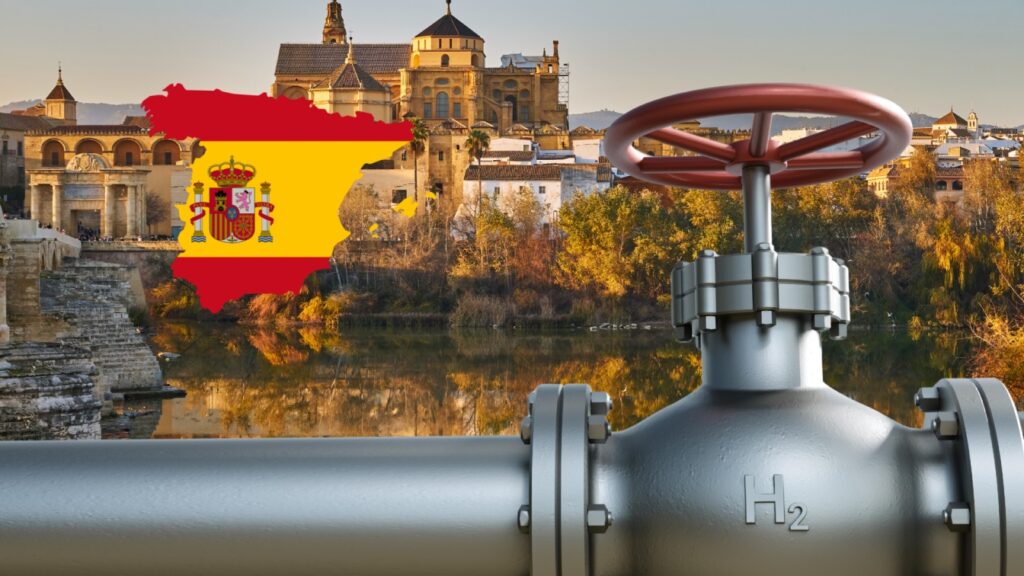
Europe’s Largest Green Hydrogen Hub Raises a Key Question: How Will It Be Monitored?
Spain’s decision to move forward with the €3 billion Andalusian Green Hydrogen Valley, led by energy company Moeve, marks one of Europe’s most ambitious hydrogen infrastructure projects. With plans for up to 2 GW of electrolysis capacity and roughly 300,000 tonnes of green hydrogen production per year, the development highlights how quickly the hydrogen economy is scaling across the continent.
But as projects grow in size and complexity, a critical operational question is emerging: how will this new hydrogen infrastructure be monitored and controlled in real time?
Hydrogen Scale Brings New Operational Challenges
Large hydrogen hubs like the one planned in Andalusia involve a complex ecosystem of electrolyzers, pipelines, storage systems, industrial users, and export infrastructure. Each stage introduces new operational variables—pressure, purity, leaks, blending ratios, and safety thresholds.
Traditionally, many industrial gas processes rely on periodic lab sampling or large gas chromatographs. While these tools remain valuable, they often struggle to deliver the continuous, distributed monitoring required for modern hydrogen networks that operate across multiple facilities and transport pathways.
As hydrogen moves from pilot projects into gigawatt-scale infrastructure, operators will increasingly require real-time gas intelligence rather than occasional snapshots of system conditions.
Real-Time Hydrogen Data Becomes Strategic
Continuous hydrogen monitoring can play a critical role in several areas:
- Electrolyzer optimization – ensuring stable hydrogen production conditions
- Pipeline integrity and leak detection – improving safety and regulatory compliance
- Industrial process control – maintaining consistent hydrogen ratios in downstream processes
- Energy efficiency – reducing wasted hydrogen and unnecessary circulation
In large industrial systems, even small inefficiencies in hydrogen management can translate into significant energy losses or operational costs.
The Missing Layer in the Hydrogen Economy
Much of the hydrogen conversation today focuses on production capacity—electrolyzers, renewable energy, and large infrastructure investments. Yet as projects scale, another layer becomes essential: measurement and monitoring technologies that provide real-time visibility into hydrogen flows and conditions.
Without accurate sensing and distributed monitoring, operators are forced to rely on delayed or incomplete data when managing critical infrastructure.
Building the Digital Nervous System of Hydrogen
Projects like the Andalusian Green Hydrogen Valley illustrate how quickly the hydrogen economy is evolving from concept to industrial reality. As billions of euros flow into production capacity, attention is beginning to shift toward the digital and sensing infrastructure required to operate these systems efficiently and safely.
In many ways, sensors and monitoring platforms will form the digital nervous system of the hydrogen economy, enabling operators to detect issues earlier, optimize performance, and ensure reliable operations at scale.
As hydrogen hubs multiply across Europe, the question is no longer just how much hydrogen we can produce, but how intelligently we can manage it.